
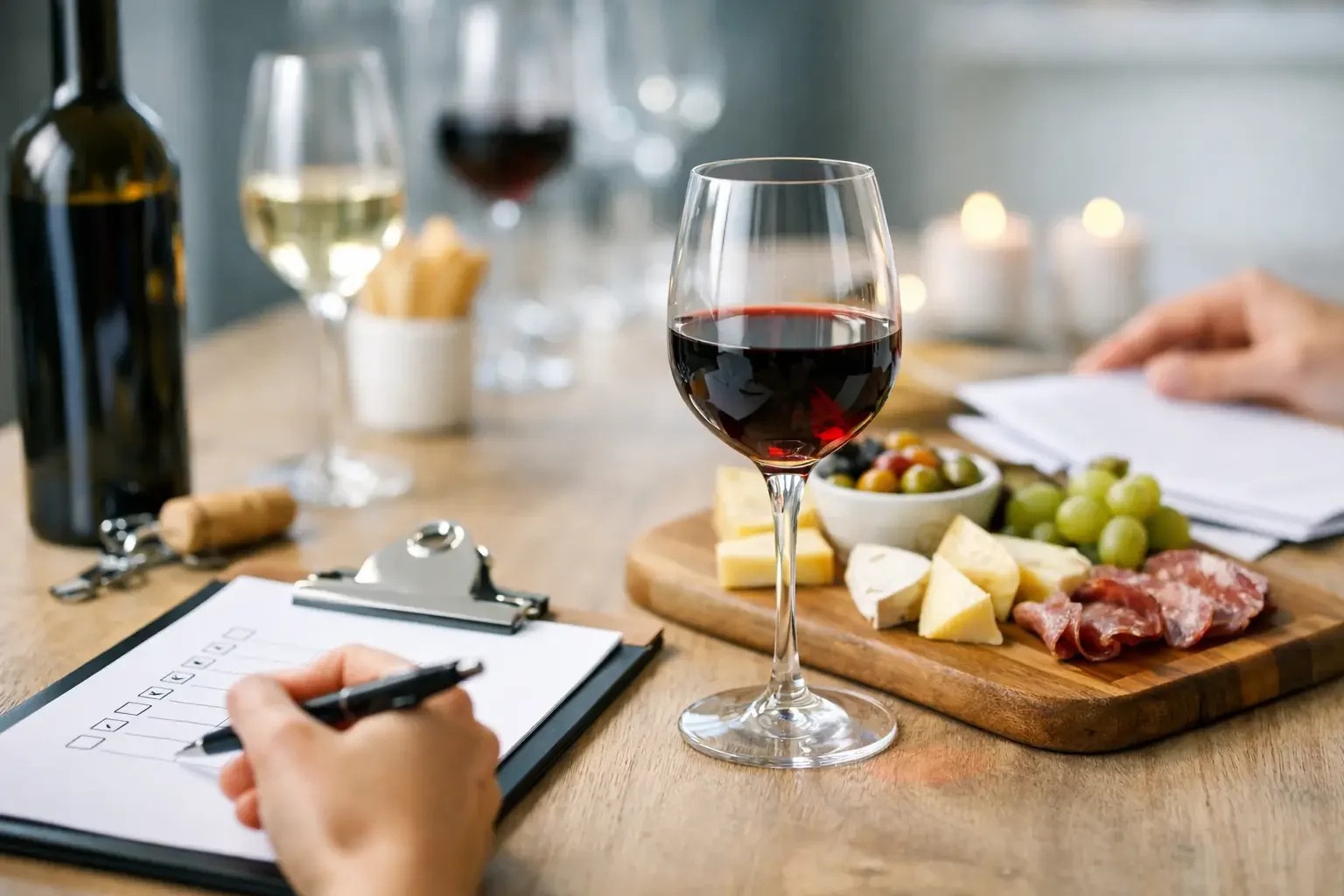
A wine event can feel effortlessly generous or quietly chaotic. The difference is rarely whether you chose a rare bottle. It is whether there is enough chilled wine, a place to set a glass, food that does not fight the pours, and a host who gets to enjoy the room. This wine event planning checklist helps you handle those details without turning a gathering into a lecture or a logistics project.
The goal is not to impress everyone with obscure appellations. It is to create an experience where people can taste something good, talk to each other, and leave feeling a little more confident about wine than when they arrived.
Start With the Kind of Gathering You Want
Before buying a single bottle, decide what the wine is meant to do. A guided tasting, a casual dinner, a client reception, and a birthday celebration all need different amounts of structure.
A guided tasting works best with a small, intentional lineup and enough time to compare wines. Guests can sit or gather around a table, and pours can stay modest. A casual drop-in event needs wines that are easy to enjoy without explanation, plus more food and a practical plan for keeping bottles cold. For a dinner, the menu should lead the wine choices, not the other way around.
If this is a corporate event, consider the room more carefully than you might for a group of friends. Guests may not know one another, some may not drink alcohol, and the wine should support the conversation rather than become the assignment. A polished experience can still be relaxed.
Set a clear guest count and budget
Your guest count drives almost every other decision, especially how much wine to buy. Ask for RSVPs when possible, but build in a buffer for a few extra people. For a seated tasting, the number of attendees is usually more predictable. For an open-house format, plan for the total number invited and the likely flow of arrivals.
Then choose a per-person wine budget before shopping. This keeps the lineup coherent. One thoughtfully selected $20 bottle often gives guests more pleasure than a scattered collection of bargain bottles and one expensive outlier.
You do not need every wine to cost the same. In fact, a mix can be more interesting. Spend a little more on one bottle with a story or a special place at the table, then choose reliable, crowd-friendly wines around it.
Wine Event Planning Checklist: The Essentials
Use this checklist as your planning backbone. Adjust the quantities and details for the size and style of your event.
Confirm the date, start and end time, venue, and realistic guest count.
Decide whether the event is a tasting, reception, dinner, class, celebration, or a mix of formats.
Set a total budget for wine, food, rentals, staff, ice, glassware, and a small contingency.
Choose the wine lineup and calculate bottles based on pour size and expected attendance.
Plan at least one thoughtful nonalcoholic option, plus still and sparkling water.
Confirm food, including substantial snacks if wine is being served for more than an hour.
Count glassware, openers, dump buckets, ice tubs, napkins, and serving surfaces.
Make a chilling plan for whites, rosés, sparkling wines, and any reds that will be served slightly cool.
Prepare simple wine notes, place cards, or a brief welcome if the event includes a guided component.
Assign who will open, pour, replenish, clear glasses, and monitor the room.
Arrange transportation considerations, particularly for evening events or events with heavier pours.
Open and stage bottles before guests arrive, then save a few backups unopened.
This is not about making the gathering rigid. It is about removing the small frictions that pull you away from your guests.
Choose Wines for the Room, Not Your Resume
A successful lineup has contrast without creating confusion. For many gatherings, three to five wines is enough. You might pour a sparkling wine or bright white to start, add a textured white or rosé, then move to a flexible red and a fuller option if the food and crowd call for it.
For a tasting, a useful rule is to give each wine a reason to be there. Compare two expressions of one grape, move across regions, or show how a wine changes alongside food. You do not need to turn every pour into a geography lesson. A few well-chosen details are more memorable than a flood of facts.
For a mingling event, versatility matters more. Dry sparkling wine, crisp white wine, rosé, lighter reds, and a medium-bodied red cover a lot of ground. Very tannic reds can feel harsh without a proper meal. Big, oaky whites may be divisive if the room is warm. Sweet wines can be wonderful, but they should be intentional rather than an afterthought.
Calculate the right number of bottles
A standard 750 ml bottle yields about five 5-ounce glasses. For a guided tasting, a 2-ounce pour gives you roughly 12 tasting portions per bottle. That means one bottle of each wine can serve a group of 10 with modest pours, but it leaves little room for spill, a generous hand, or a guest who wants a second taste.
For a seated tasting of 12 people with four wines, plan two bottles of each wine if you want comfortable tasting pours and a little flexibility. For a reception, estimate two glasses per guest for a shorter event, or closer to three for an event lasting several hours. The right answer depends on food, timing, weather, and whether wine is the only alcoholic option.
In Austin heat or any warm-weather setting, cold wine disappears faster than you expect. Add extra sparkling water, plenty of ice, and a few additional bottles of refreshing wine. No one complains about having a good chilled backup.
Get Temperature, Glassware, and Food Right
Wine service does not require a wall of specialty equipment. It does require a few basics handled well. Have one clean, all-purpose wine glass per guest, plus extras if you can manage them. A single versatile glass is better than several mismatched styles that create clutter and breakage.
Chill sparkling wine, rosé, and crisp whites well in advance. Keep them cold with ice and water in a tub, not ice alone. For reds, avoid serving them warm. “Room temperature” made sense in old stone homes, not in a 75-degree living room or patio. A light chill helps many reds taste fresher and more balanced.
Food should give the wines a comfortable landing place. Salty snacks, cheese, charcuterie, olives, nuts, sturdy crackers, and simple spreads are reliable choices. If you are serving a meal, test the wine with the menu beforehand if possible. Acidic dressings, spicy dishes, and very sweet sauces can shift how a wine tastes.
Also, do not make food optional when alcohol is central to the event. Even a beautiful tasting benefits from something substantial. Guests enjoy wine more when they feel cared for.
Build a Run of Show That Leaves Room to Breathe
You do not need a clipboard for a dinner party, but you do need a rough rhythm. Finish physical setup at least 30 minutes before guests arrive. Open still wines shortly before service, keep sparkling bottles closed until needed, and put water where people can easily find it.
If you are speaking about the wines, keep the opening brief. Tell guests what they are tasting, why you chose it, and one thing worth noticing. Then let them respond. A useful prompt is, “What stands out to you?” It makes room for personal taste and avoids the awkward feeling that there is one correct answer.
For a larger event, designate a helper or service person to watch bottle levels, clear used glassware, and refresh water. Hosts often underestimate how much this changes the experience. You should not spend the entire event searching for an opener or restocking napkins.
Give guests permission to have their own taste
The most welcoming wine events make expertise feel available, not mandatory. Avoid presenting flavor notes as a test. If someone says a wine tastes like cherries, campfire, or “something my grandfather would drink,” that is useful information. Wine language is just a way of describing an experience, not a membership card.
Offer a dump bucket during formal tastings without making it a big deal. Encourage water. Make the nonalcoholic option visible and appealing rather than hiding it at the end of the bar. These small decisions tell every guest that they belong.
A great wine event is not measured by how many technical terms were used or whether every bottle was emptied. It is measured by the moment someone reaches for another taste, asks a real question, or decides they can trust their own palate. Plan for that feeling, and the rest becomes much simpler.