
You spent years on the wine, on the blend and the barrels and the harvest you second-guessed at two in the morning. Then you fought like everything to land the distribution deal that finally got you onto the shelf at that shop three towns over.
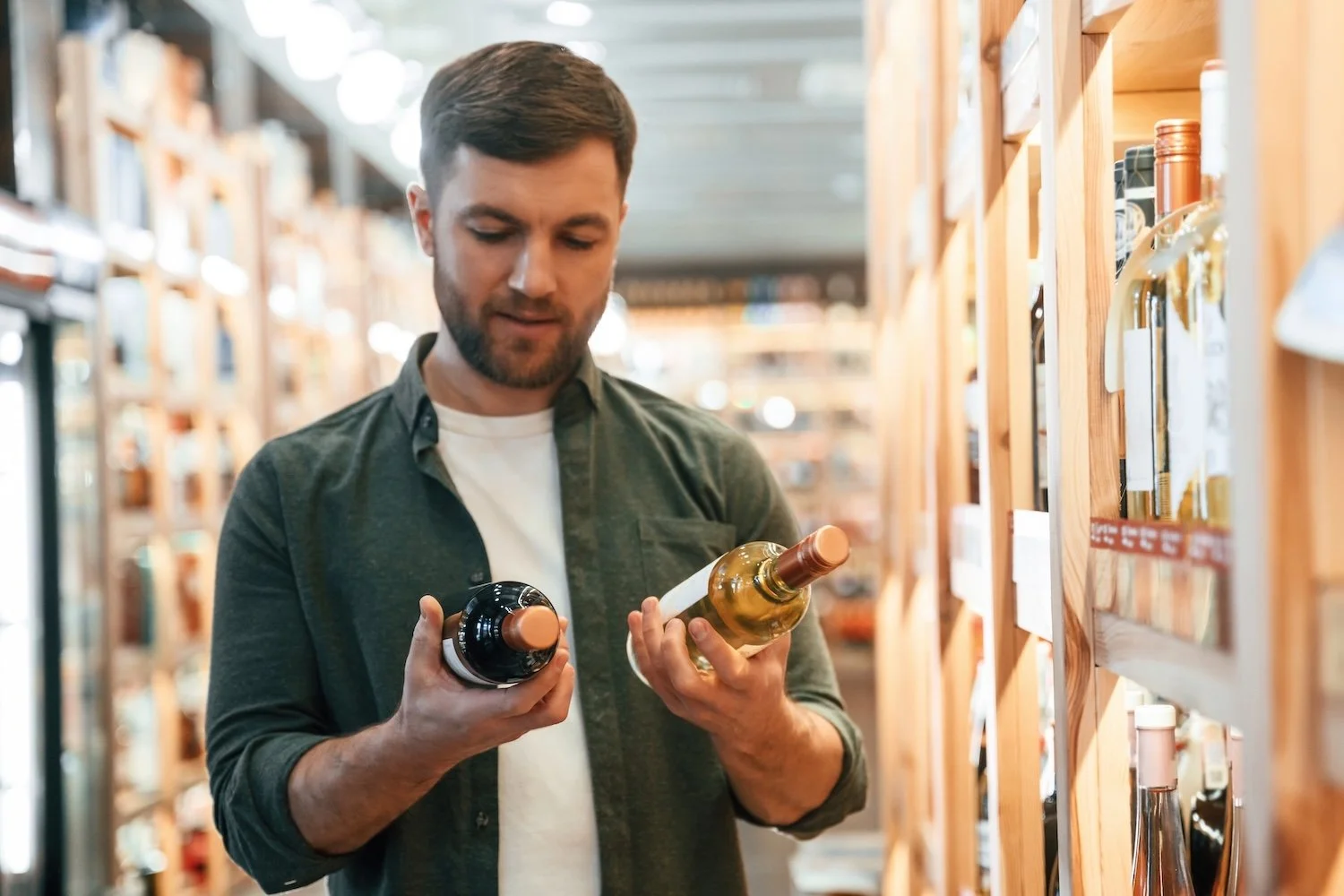
Nobody warns you about what happens next. A shopper walks that aisle, takes in forty bottles in about the time it takes to sigh, and decides in roughly three seconds whether yours is even worth picking up. The wine you obsessed over doesn't get a vote in that moment, because they can't taste it yet. All they're reacting to is your shelf presence.
That's the part of small winery marketing that stings a little, and it's the part I end up talking about most. Distribution gets you the real estate. Packaging is what actually closes the sale. And most small wineries I meet have poured nearly everything into the first and treated the second like something they'd get to eventually.
I've made this case before, that small wineries don't have a distribution problem, they have a clarity problem. This is that same idea, standing right at the shelf where it actually plays out.
Your label is the only salesperson in the aisle
I understand why. When you make wine, the wine is the whole point, so of course that's where the years and the worry go.
But your bottle spends its life standing shoulder to shoulder with dozens of others, most of them from producers with bigger budgets and louder labels. And it's doing that in front of a shopper who is not a sommelier and is frankly a little tired, a person after work who wants something that feels right for tonight and doesn't want to feel foolish about the choice. They can't read your tech sheet, they've never met you, and they're not going to.
Whatever the bottle says in that glance is the entire pitch, which means your wine shelf presence isn't a design luxury. It's the only salesperson you've got standing in that aisle, and when you optimize only for what's inside the bottle, you've handed that salesperson a script and then taped their mouth shut.
What really happens in those three seconds
So it's worth understanding what's actually running through a shopper's head in those three seconds, because it isn't complicated and it isn't about taste.
The first thing their eye is doing is simply trying to find you, and shelf presence is really about standing out at arm's length rather than at nose distance. If your label only comes alive once someone is already holding it, you've lost every browser who never reached for it in the first place, and that's most of them. Contrast, a clear focal point, a color or a shape that breaks the monotony of the row, all of it does more work than another award medallion nobody can read from two feet back.
Once they've spotted you, the next thing that happens is quieter and faster, a kind of instant read on whether they get you. On a crowded shelf, clarity beats cleverness every time. If a shopper can't tell in a beat whether you're a crisp everyday white or a serious red for a night that matters, they'll move on rather than gamble on being wrong in front of whoever they're buying for. The wines that get chosen are the ones that make their category and their mood obvious, and I promise that's not dumbing anything down. It's just respecting how little time you actually have to be understood.
This is the same fear I keep coming back to, that the consumers you want are already talking about wine, they're just afraid of getting it wrong. Your label can either calm that fear in a glance or feed it.
And then there's the question people would never say out loud, which is whether they want to be seen with you. Wine almost always goes somewhere, to a dinner or a gift exchange or a Tuesday someone's trying to make feel a little better, and your label is the outfit your wine wears to that occasion. Story and shelf presence work together here to answer whether this bottle belongs in the moment they're already picturing in their head. Get that right and the bottle leaves the shelf. Miss it and it genuinely does not matter how good the wine is, because nobody ever finds out.
Story is what they carry to the register
Standing out is what gets the bottle into their hand, but story is what keeps it there and carries it to the register. Once someone's actually holding you, you've bought yourself a few more seconds and a little more room to work, and this is where the back label and the one true sentence about who you are earn their keep. Not the whole family history, just one honest reason this wine exists and one reason tonight is a good night to open it.
This is the part where small wineries have an advantage the big brands can't buy at any price, because you're real. There's an actual person and an actual place and an actual reason this wine got made, and that's exactly what a shopper is secretly hoping to find when they turn a bottle over.
So don't bury it under tasting notes and appellation jargon. Say the human thing, because the human thing is what travels from the shelf to the register to the dinner table, where someone repeats it to a guest and quietly sells your next bottle for you.
Give your own shelf an honest look
If you've read this far, you probably already know which side of that ledger you've been living on. The wine is dialed in and the shelf is the afterthought, maybe a label you designed back in the scrappy early days and haven't looked at with fresh eyes since.
That's not a failure of taste, it's just where your attention understandably went. But the shelf is where the money is actually won or lost, and it happens to be one of the very few things you can fix without another harvest, another loan, or another year of waiting.
So give it an honest look this week. From six feet away, does your bottle break the row or melt into it? Could a stranger tell what kind of wine it is and what moment it's meant for? Does the label say one true, human thing, or does it just list facts? If any of those made you wince a little, your shelf is quietly costing you sales your wine already earned.
Let's fix the shelf, not just the wine
That's the work I love most at Wine, Uncomplicated, and I'll be straight with you about why: it's the highest-leverage change a small winery can make. Your wine is already good. The shelf is simply where good wine keeps getting overlooked, and it does not have to keep happening to yours.
If you'd like a clear-eyed read on how your bottle actually performs in those first three seconds, along with a plan to win them, take a look at how I work with wineries and book a consult with me. We'll look at your label, your story, and your shelf presence the way a real shopper does, and start turning browsers into buyers long before anyone tastes a drop.