
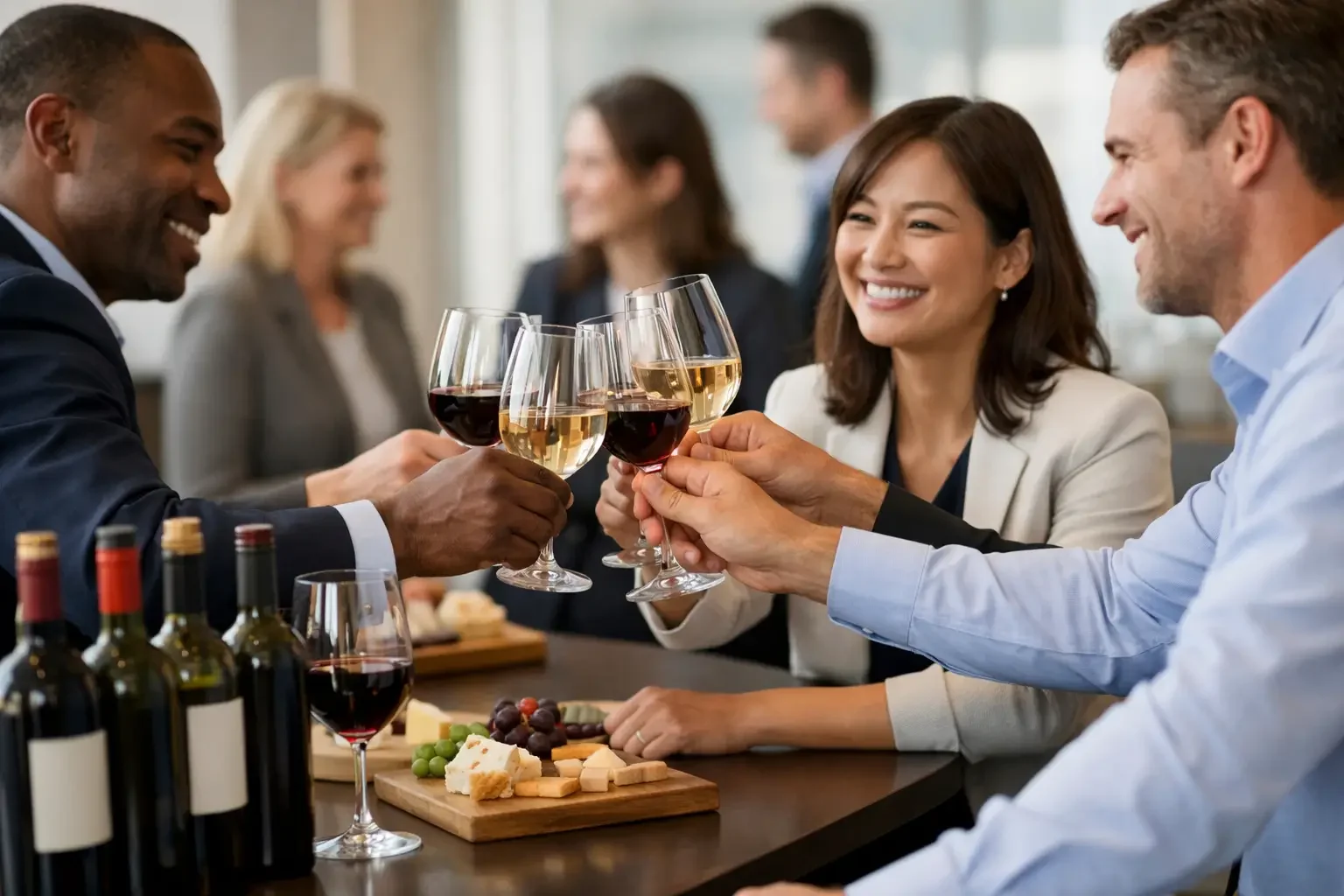
The best corporate wine tasting events do not feel like a work obligation with better glassware. They give people a reason to slow down, talk to colleagues they rarely see, and share an experience that is more memorable than another happy hour. The wine matters, of course. But the real goal is connection - without asking anyone to pretend they know what a tannin is.
A well-planned tasting can work for a client dinner, a leadership retreat, a team celebration, or a conference break. It can feel polished without being formal, educational without turning into a lecture, and special without becoming fussy. The difference is in the choices made before the first bottle is opened.
Start With the Gathering, Not the Grapes
It is tempting to begin by picking wines. Start instead with the people in the room and what you want the event to accomplish. A 20-person client appreciation event needs a different approach than a 100-person networking reception. A team that already knows one another may enjoy more conversation and a little friendly comparison. A mixed group of clients and employees may need gentler structure and easy prompts that lower the pressure to make small talk.
Ask a few practical questions early: Is this intended to reward people, help them meet, celebrate a milestone, or introduce a company story? How much time is actually available? Will guests be seated, standing, arriving in waves, or moving between sessions? These answers determine whether a guided tasting makes sense or whether a more flexible wine station is the better fit.
There is no prize for making the wine selection as obscure as possible. Familiar grapes can be a smart choice when the room is new to wine. A crisp Sauvignon Blanc, a textured Chardonnay, a lighter red such as Pinot Noir, and a fuller red like Cabernet Sauvignon give people useful reference points. For a more curious group, adding an unexpected bottle from a lesser-known region can create a great conversation. One surprise is engaging. Four can feel like homework.
Choose a Format That Fits the Room
Corporate wine tasting events tend to work best in one of three formats: a guided seated tasting, a walk-around tasting, or a tasting paired with a meal or activity.
A guided seated tasting is ideal when learning is part of the appeal. Guests taste the same wines at the same time, usually four to six pours, with a host leading the group through simple observations, stories, and food pairing ideas. It gives the event shape and creates shared moments. The trade-off is that it requires a quieter room, a clear start time, and attendees who can stay engaged for 45 to 75 minutes.
A walk-around tasting is more social. Pouring stations, small bites, and simple tasting cards let guests move at their own pace. This format is particularly useful for open-house events, larger groups, and networking receptions where people may arrive late or leave early. It is less educational by nature, but a knowledgeable host at each station can still make the experience feel thoughtful.
A meal pairing sits somewhere in the middle. Wine is served alongside courses or substantial shared plates, with a few remarks between pours. This can be especially effective for executive dinners or client events because the conversation has room to develop naturally. Just keep the pacing realistic. If every course comes with a ten-minute explanation, dinner can start to feel like a seminar.
Make the Experience Welcoming for Every Guest
The fastest way to lose a room is to treat wine knowledge as a test. Some guests will have favorite producers and opinions about oak. Others may only know that they prefer red wine, or that they do not usually drink wine at all. All of those guests should feel equally comfortable participating.
The language matters. Instead of asking whether someone detects a specific aroma, invite them to notice what the wine reminds them of. Maybe it smells like lemon peel, black cherries, fresh herbs, a cedar closet, or simply something they enjoy. There is no correct answer required. Wine is sensory and personal, and a good host makes that clear from the beginning.
It also helps to include nonalcoholic options that feel intentional rather than like an afterthought. Sparkling water, thoughtfully chosen nonalcoholic wine, or a zero-proof aperitif lets every guest join the occasion with a proper glass in hand. This is good hospitality, plain and simple. It also makes the event more inclusive for people who are driving, pregnant, sober, taking medication, or just not interested in drinking that evening.
Food deserves the same care. You do not need a chef's tasting menu, but guests should not be drinking on an empty stomach. Cheese, charcuterie, seasonal vegetables, nuts, bread, and more substantial passed bites can all work well. Avoid making every pairing so precious that a guest worries about taking the wrong bite with the wrong wine. The purpose is enjoyment, not a pop quiz.
Plan the Wines With Pacing in Mind
For most corporate groups, four wines is the sweet spot. It is enough variety to make the tasting feel complete, but not so much that flavors blur together or the event becomes overly alcohol-focused. Five can work for a longer seated session with food. Six is best reserved for guests who specifically want a deeper educational experience.
Pour size matters more than many planners realize. A tasting pour is typically around two ounces, not a full restaurant glass. That allows guests to sample, compare, and stay present for the conversation. Provide water at every table or station, and make it visible. If guests have to ask for it, they will drink less of it than they should.
Think about progression as well. Start with sparkling or lighter wines, move into whites, then reds, saving sweeter wines for the end if they are included. This is not about rigid rules. It is about helping each wine have a fair chance to show itself. A delicate rosé can disappear after a big, oaky red.
Price is another place where restraint pays off. The most expensive bottle is not automatically the most memorable. A well-chosen wine with a clear story - perhaps from a family producer, a distinctive growing region, or a winery using thoughtful farming practices - often gives guests more to discuss than a recognizable luxury label. Spend on quality, but spend even more attention on selection and service.
Give People Something to Talk About
A strong host does more than name grapes and regions. They give guests conversational handles. A family winemaking story, a surprising fact about a place, a simple explanation of why one wine feels lighter than another - these details make the wines easier to remember and easier to discuss.
At Wine, Uncomplicated, that means keeping the education grounded in real enjoyment. Guests do not need a certification before they are allowed to have an opinion. A host can explain why a wine tastes the way it does, then make space for people to disagree, laugh, compare notes, and order a bottle they genuinely like later.
For teams, a few low-pressure prompts can help. Ask people which wine they would bring to a backyard dinner, pair with tacos, or serve to a favorite client. Those questions are more useful than asking which wine is objectively best. They also reveal personality in ways that office conversation often does not.
Do Not Leave Logistics Until the End
The hospitality details are what make an event feel easy. Confirm who is pouring, who is replenishing water, where empty glasses go, and how food will circulate. For larger groups, plan enough glassware that guests are not forced to rinse the same glass between a bright white and a bold red. If that is not practical, use clearly marked stations and a thoughtful serving order.
Venue conditions matter, too. A warm patio in Austin can be lovely, but chilled wines need ice and shade, while reds should not sit in direct afternoon sun. Consider sound levels before booking live music or choosing a crowded bar. If people cannot hear the host or one another, the tasting loses much of its purpose.
Finally, make transportation part of the hospitality plan. Choose a location with easy ride-share access, offer a clear end time, and avoid framing generosity as pressure to drink more. The most successful event is one where guests leave feeling cared for, not over-served.
A bottle can start a conversation, but a well-hosted tasting gives that conversation somewhere to go. Keep the wines interesting, the guidance human, and the atmosphere relaxed enough for people to be themselves. That is usually what they remember long after the last glass is cleared.