
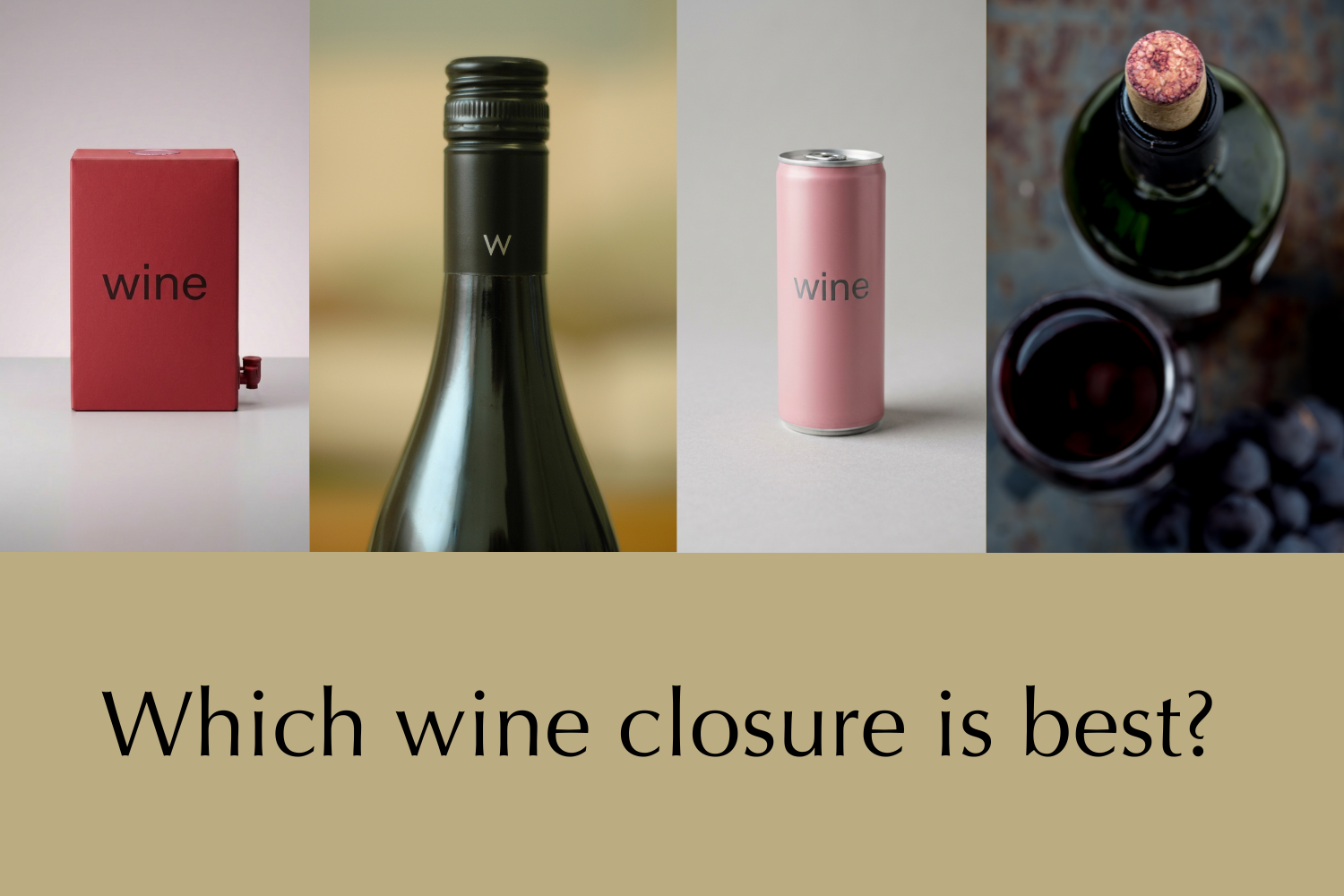
You've probably picked up a bottle, noticed it had a screw cap, and quietly put it back.
Or seen wine in a can and assumed it wasn't "real" wine.
Or grabbed a bag of wine and felt a little sheepish about it at checkout.
Here's the thing: every single one of those closures has a purpose. And a few of them get a much worse rap than they deserve.
There are about six common ways a bottle of wine actually gets sealed, and once you know what each one is doing, you'll feel a lot less self-conscious about what ends up in your cart.
The Classic: Natural Cork
This is the one you picture when you picture wine.
Natural cork is the most eco-friendly closure on the market, and it's still the gold standard for wines you want to age. If you're buying something to lay down in your cellar for a few years, you want a cork. It lets a tiny amount of oxygen through over time, which is exactly what slow-aging wines need to evolve.
The downsides? Cork taint is real. It's that musty, wet-cardboard smell that ruins a small percentage of bottles. And practically speaking, you actually need a corkscrew to open it, which is a non-issue at home and a real issue at a picnic.
For aging wines and serious bottles, though, cork is still king.
Synthetic Cork
You've definitely seen these. They look like cork, but they're plastic.
They're cheaper for the winery to produce, they let in a similar amount of oxygen as natural cork, and they don't carry any risk of cork taint. That last part is a real win.
The catch: they're a pain to put back in the bottle if you're not finishing it that night. And they're not really designed for long-term aging.
For everyday drinking wine, they do the job just fine.
Screw Tops (And Why They're Not "Cheap")
Screw caps get the worst rap of any closure, and it's mostly undeserved.
I love a screw top in the right kind of wine.
If you're buying a white or a rosé that's meant to be drunk young and fresh, a screw top is actually the better closure. It seals tight, keeps oxygen out completely, and locks in the bright, crisp character those wines are supposed to have. It's also the easiest closure to deal with if you're not finishing the bottle, since you can just twist it back on.
Will it age your wine for ten years? No. But that wine wasn't meant to age ten years anyway.
A screw top doesn't mean cheap. It means the winemaker chose the closure that fits the wine.
Glass Stoppers
These are the prettier cousins of cork.
You'll usually see glass tops on more premium bottles, often rosé, and they function similarly to a cork in terms of seal and oxygen exchange. They tend to cost the winery more, which is part of why you'll see them on slightly nicer wines.
Mostly, they just look beautiful. There's nothing wrong with that being part of the appeal.
Cans
Now we're in the category that really makes people nervous.
Cans are great in the right circumstances. If you're heading somewhere glass isn't allowed, like a pool, a beach, a boat, or a concert, a can is genuinely the right tool for the job. They're portable, they're chilled fast, and they're easy.
My honest opinion? I think cans pass a little bit of a metallic note into the wine, and I notice it. So they're not my go-to. But for a casual outdoor afternoon, they absolutely earn their place.
Bags
This is the one that surprises people most.
Bag-in-box wine has come a long way from the Franzia your aunt kept in the fridge. There are real wineries, making real wine, putting it in bags now, and it's worth paying attention to.
The actual functional advantage is significant: a bag keeps oxygen out as you pour, so the wine stays fresh much longer than an opened bottle would. If you're someone who likes a glass at night but doesn't want to commit to finishing a bottle in three days, a bag is the most practical option there is.
Don't write them off because of the format.
The Real Point
Every closure has a use case.
Cork for aging. Synthetic cork for everyday bottles. Screw caps for fresh whites and rosés. Glass stoppers when the bottle wants to feel a little more special. Cans for the pool. Bags for the long Tuesday-through-Friday glass habit.
So next time you're in the wine aisle, and you reach for something with a screw cap, or a can, or a bag, don't feel like you're being cheap.
You're just picking the closure that fits the wine you're drinking.